Few words in the English language carry as much weight, pain, and controversy as the N word. People search for its meaning out of curiosity, education, cultural awareness, or the need to understand why it is so sensitive.
The term appears in history books, music, movies, and social conversations—but its meaning changes dramatically depending on who uses it, how it’s used, and in what context.
This guide explains the definition, origins, emotional impact, and modern usage of the N word with clarity, honesty, and respect.
Definition & Core Meaning
The N word is a racial slur historically used to dehumanize Black people, particularly those of African descent.
Core Meanings
- A derogatory racial insult rooted in slavery and colonialism
- A symbol of oppression and violence used to reinforce racial hierarchy
- A reclaimed term in limited contexts, primarily within Black communities
Simple Examples (Contextual, Not Endorsed)
- “The word has a long history tied to slavery and segregation.”
- “Many consider it deeply offensive regardless of intent.”
- “Its meaning changes depending on who says it and why.”
Important: Outside of educational or critical discussion, the word is widely considered unacceptable to use.
Historical & Cultural Background
Origins
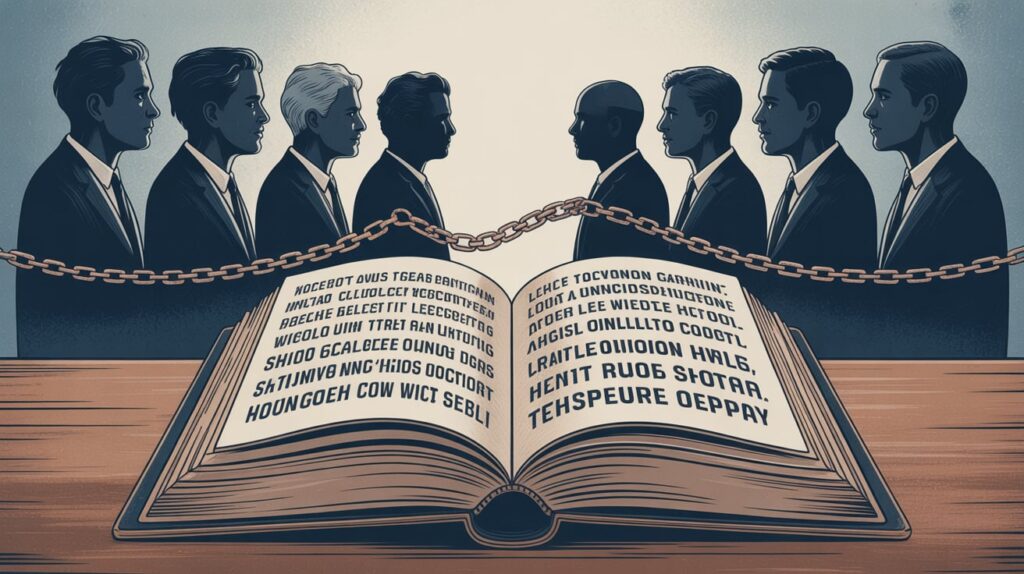
The word originates from a Latin term meaning “black” and entered English during the transatlantic slave trade. Over time, it became a tool used to justify enslavement, segregation, and racial violence.
Western Cultural Context
- Used extensively during slavery in the U.S.
- Reinforced stereotypes and systemic racism
- Appeared in laws, propaganda, and media
African & Indigenous Perspectives
- Seen as a symbol of stolen identity and forced labeling
- Associated with colonial domination and loss of cultural autonomy
Global Spread
- Exported through American media and colonial language systems
- Often misunderstood outside the U.S., where historical context may be missing
This deep history explains why the word carries emotional weight far beyond its literal meaning.
Emotional & Psychological Meaning
The impact of the N word goes beyond language—it affects identity, memory, and mental health.
Emotional Effects
- Triggers historical trauma for many Black individuals
- Reinforces feelings of exclusion or dehumanization
- Can reopen wounds tied to generational oppression
Psychological Dimensions
- Words shape self-perception and social belonging
- Repeated exposure can normalize harmful stereotypes
- Reclamation efforts aim to reduce harm, not erase history
For some, avoiding the word is an act of respect. For others, reclaiming it is an act of resistance.
Different Contexts & Use Cases
Personal Life
- Generally inappropriate and harmful
- Often ends relationships or causes lasting damage
Social Media
- Heavily moderated on most platforms
- Context matters, but consequences still apply
- Screenshots remove nuance quickly
Relationships
- Even joking use can signal disrespect
- Trust is often broken instantly
Professional & Public Spaces
- Almost universally unacceptable
- Can lead to job loss or public backlash
Cultural or Artistic Context
- Appears in music, literature, and film
- Usage is typically limited to creators reclaiming their own identity
See also: What Does Cultural Reclamation Mean?
Hidden, Sensitive, or Misunderstood Meanings
Common Misunderstandings
- “It’s okay if I don’t mean it offensively”
- “I heard it in a song, so it’s fine”
- “Everyone says it now”
Intent does not erase impact.
Reclaimed Use vs. Permission
- Reclamation is not universal permission
- Acceptance varies by individual and community
- Outsiders using the word often cause harm, even unintentionally
Tone Doesn’t Neutralize History
Humor, slang, or casual delivery does not remove the word’s historical baggage.
Comparison With Similar Terms
| Term | Historical Weight | Acceptability | Context Sensitivity |
|---|---|---|---|
| N word | Extremely high | Very limited | Very high |
| Racial slurs (general) | High | Low | High |
| Reclaimed identity terms | Medium | Community-based | Medium |
| Neutral descriptors | Low | High | Low |
Key Insight: The N word is unique because its harm is inseparable from centuries of systemic abuse, making context and speaker identity crucial.
Popular Types / Variations (Contextual Overview)
These are explained for educational clarity, not encouragement.
- Hard-R spelling – Universally considered offensive
- Soft-A ending – Used within some Black communities
- Quoted usage – Academic or historical discussion
- Censored form (“N word”) – Common respectful alternative
- Artistic usage – Music, poetry, film
- Reclaimed slang – In-group expression
- Ironical reference – Often misunderstood
- Historical documents – Reflecting past language norms
- Reported speech – Describing what someone else said
- Educational analysis – Linguistic or cultural studies
How to Respond When Someone Asks About It
Casual Responses
- “It’s a deeply offensive term with a painful history.”
- “Most people avoid saying it out of respect.”
Meaningful Responses
- “The word reflects centuries of racial oppression.”
- “Its impact depends on history, not just intention.”
Fun but Respectful
- “That’s one word better explained than repeated.”
Private or Sensitive Settings
- “It’s tied to real trauma, so I choose not to use it.”
Regional & Cultural Differences
Western Countries
- Strong awareness of racial history
- Zero tolerance in workplaces and schools
Asian Contexts
- Often learned through music or movies
- Misuse usually stems from lack of context
Middle Eastern Perspectives
- Not historically native to language
- Increasing awareness through global media
African & Latin Regions
- Mixed interpretations depending on colonial history
- Often discussed academically rather than casually
Global exposure doesn’t equal global acceptance.
Frequently Asked Questions
Is the N word always offensive?
In most cases, yes—especially outside educational or in-group contexts.
Why do some people use it while others can’t?
Because reclamation applies only to those directly affected by its history.
Is it okay to quote it in school or media?
Only when necessary and handled with care.
Does intent matter?
Intent matters, but impact matters more.
Why is it still discussed today?
Because its history reflects ongoing conversations about race and equality.
Is censoring the word respectful?
Yes. Using “the N word” shows awareness and sensitivity.
Conclusion
Understanding what the N word means requires more than a dictionary definition. It demands historical awareness, cultural sensitivity, and empathy.
The word represents centuries of pain—but also ongoing conversations about identity, respect, and healing. Choosing not to use it is not about restriction; it’s about recognition.
Language shapes culture. Respect shapes progress.