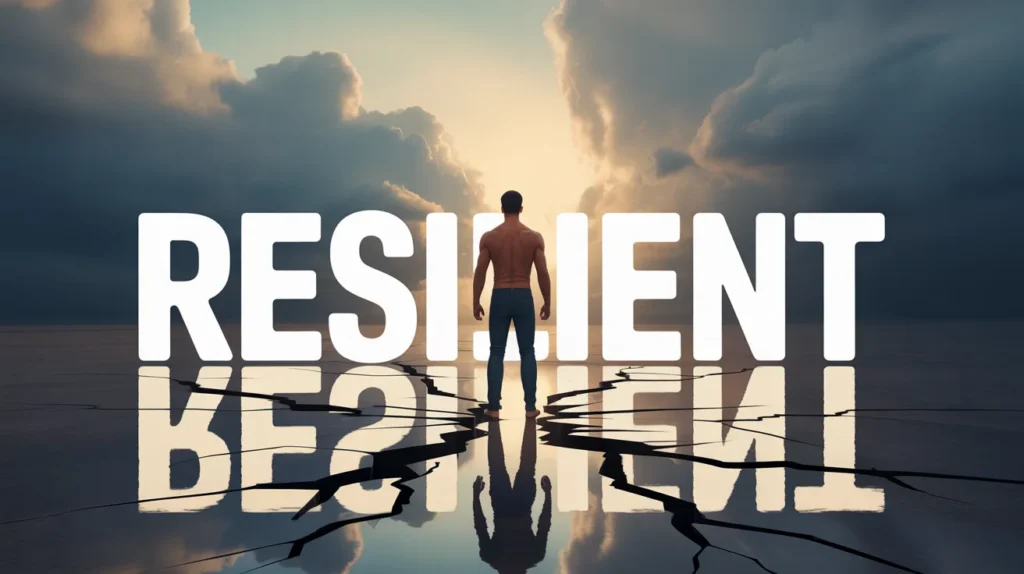
Resilience is a word that pops up everywhere—from motivational quotes to social media captions—but do we truly understand what it means to be resilient? People search for it to describe personality traits, emotional strength, or even physical toughness. Knowing the real meaning helps you communicate better, relate to others, and even cultivate resilience in yourself.
Here’s your complete guide to the term “resilient,” its history, psychological meaning, cultural nuances, slang use, and practical examples.
Definition & Core Meaning
At its core, resilient describes the ability to recover quickly from difficulties or adapt to challenges. It is about bending without breaking.
Core Definitions
- Emotional/Personal: Ability to bounce back after setbacks.
- Example: “She remained resilient despite losing her job.”
- Physical/Material: Ability to return to original shape after being bent, stretched, or compressed.
- Example: “This rubber band is resilient and stretches easily.”
- Social/Professional: Ability to cope with stress, change, or adversity.
- Example: “Resilient teams thrive under pressure.”
Synonyms
- Tough
- Hardy
- Flexible
- Strong-minded
- Adaptable
Historical & Cultural Background
The word resilient comes from the Latin resilire, meaning “to leap back” or “rebound.” Its usage has evolved across centuries:
- Ancient Rome: Associated with physical objects like springs or materials that could snap back.
- Western culture: Often tied to mental toughness and personal growth.
- Eastern philosophy: Concepts like wuwei in Taoism reflect resilience as flowing with life instead of resisting it.
- Indigenous interpretations: Many Native cultures view resilience as harmony with nature and community support.
This historical depth shows that resilience is more than toughness—it’s a dynamic, adaptable quality recognized worldwide.
Emotional & Psychological Meaning
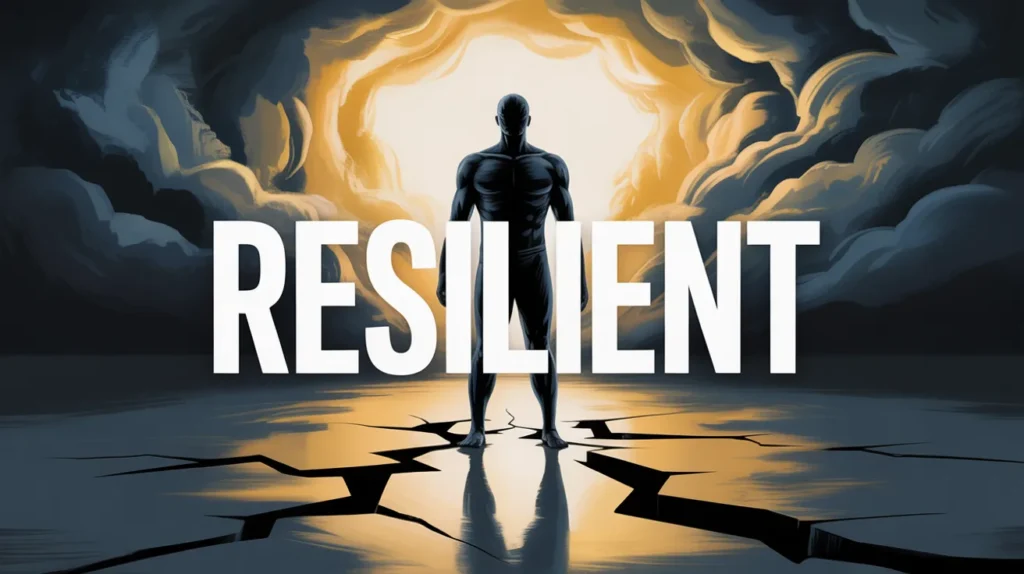
Resilience is central to emotional health and personal growth. Psychologists define it as the ability to manage stress, recover from trauma, and maintain a sense of purpose.
Emotional Aspects:
- Mindset: Viewing challenges as opportunities to grow.
- Healing: Recovering from heartbreak, grief, or disappointment.
- Identity: Cultivating inner strength and self-confidence.
- Motivation: Using setbacks as fuel for success.
Example: “After failing the exam, he showed resilience by studying smarter and passing the next time.”
Resilience is often linked to optimism, mindfulness, and emotional intelligence. It’s not about avoiding difficulty—it’s about how you respond to it.
Different Contexts & Use Cases
Resilient appears in everyday life, professional environments, and online conversations.
- Personal Life: Overcoming personal struggles, health issues, or financial setbacks.
- Example: “Her resilient spirit helped her rebuild after the accident.”
- Social Media: Used to inspire followers or describe perseverance.
- Example: “Stay resilient and keep moving forward 💪”
- Relationships: Handling conflicts or breakups without losing composure.
- Example: “A resilient friendship can survive misunderstandings.”
- Professional/Modern Usage: Enduring workplace challenges or adapting to change.
- Example: “Resilient companies adapt quickly to market shifts.”
Hidden, Sensitive, or Misunderstood Meanings
- Misunderstood as invulnerability: Being resilient does not mean you don’t feel pain or stress.
- Cultural sensitivity: Some cultures value harmony over individual toughness, so “resilient” may carry a softer meaning.
- Overuse in social media: Often simplified to just “strong,” missing the nuanced aspect of recovery and adaptation.
Comparison Table: Resilient vs Similar Concepts
| Term | Meaning | Key Difference |
|---|---|---|
| Resilient | Bounces back from adversity | Focus on recovery, not just strength |
| Tough | Strong and durable | Emphasizes endurance, not adaptation |
| Flexible | Adapts easily to change | Emphasizes adaptability, not recovery |
| Hardy | Can survive harsh conditions | Often physical, not emotional |
| Persistent | Continues despite obstacles | Focus on continuation, not recovery |
Key Insight: Resilience combines adaptation, recovery, and strength—it’s not just toughness or persistence.
Popular Types / Variations of Resilient
- Emotional Resilience – Managing stress and emotions.
- Mental Resilience – Cognitive flexibility and problem-solving.
- Physical Resilience – Recovering from injury or fatigue.
- Social Resilience – Maintaining relationships despite challenges.
- Community Resilience – Communities bouncing back after crises.
- Financial Resilience – Recovering from financial setbacks.
- Environmental Resilience – Ecosystems adapting to change.
- Organizational Resilience – Companies surviving market or industry shifts.
- Cultural Resilience – Preserving identity and traditions under pressure.
- Digital Resilience – Cybersecurity or online systems resisting disruptions.
How to Respond When Someone Asks About “Resilient”
- Casual: “It means bouncing back when life gets tough.”
- Meaningful: “Being resilient is about adapting, recovering, and growing stronger from challenges.”
- Fun: “Think of a rubber band—it stretches but always snaps back!”
- Private: “It’s that quiet strength that keeps you going even when no one’s watching.”
Regional & Cultural Differences
- Western: Emphasis on personal toughness and independence.
- Asian: Focus on harmony, patience, and collective resilience.
- Middle Eastern: Often linked to faith and perseverance in the face of hardship.
- African / Latin American: Communities and family support play a key role in resilience.
Cultural perspective shapes how resilience is expressed, valued, and recognized.
FAQs About Resilient
1. What does resilient mean in psychology?
It refers to the ability to cope with stress and recover from setbacks.
2. Can resilience be learned?
Yes, through mindfulness, problem-solving, and emotional regulation.
3. Is being resilient the same as being tough?
Not exactly. Resilience involves recovery and adaptation, not just strength.
4. How do you use resilient in a sentence?
“She is resilient, always finding a way forward after difficulties.”
5. What is a resilient person like?
They remain optimistic, adaptable, and persistent even in adversity.
6. Is resilience emotional, physical, or both?
Both. It can apply to mental, emotional, and physical contexts.
7. What is the opposite of resilient?
Fragile, brittle, or inflexible—anything that breaks easily under stress.
Conclusion
Being resilient is more than a trendy word; it’s a fundamental human quality that allows people, communities, and systems to recover, adapt, and thrive. Whether in your personal life, relationships, career, or social circles, cultivating resilience brings strength, wisdom, and hope. Embrace resilience, and you’ll discover an inner power that helps you navigate life’s twists and turns with grace.
Remember: resilience isn’t about avoiding hardship—it’s about returning stronger each time you face it.