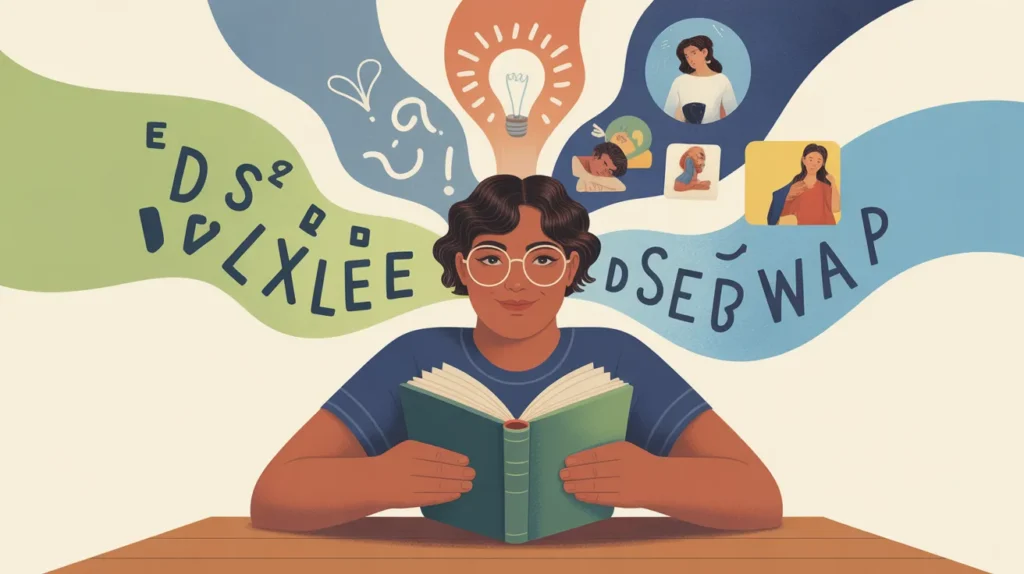
Dyslexia is one of the most talked-about yet misunderstood learning differences in the world. People search “what does dyslexia look like” because they want clarity—whether for themselves, their child, a student, or someone they care about.
Some expect dyslexia to be obvious. Others think it’s only about reading letters backward. The reality is more complex, more human, and far more varied.
This guide explains how dyslexia actually shows up in real life, how people talk about it today, and why understanding it correctly matters.
Definition & Core Meaning
Dyslexia is a neurological learning difference that primarily affects reading, spelling, writing, and language processing—not intelligence.
What dyslexia looks like at its core:
- Difficulty recognizing words quickly
- Trouble connecting letters to sounds
- Slow or effortful reading
- Spelling inconsistencies
- Challenges with sequencing and memory
Simple examples:
- “I know the word, but my brain won’t pull it out fast enough.”
- “The letters don’t move, but they don’t stay organized either.”
- “Reading feels like running uphill while others walk.”
Key point to remember:
Dyslexia is how the brain processes language, not a vision problem or lack of effort.
Historical & Cultural Background
Early History
The term dyslexia comes from Greek:
- “dys” = difficulty
- “lexis” = word or language
In the late 1800s, doctors noticed intelligent children who struggled with reading despite normal vision and education. Early labels like “word blindness” caused decades of misunderstanding.
Western Perspectives
In Europe and North America:
- Dyslexia was long mistaken for laziness or low intelligence
- Formal recognition grew in the mid-20th century
- Education systems slowly adapted accommodations
Asian Cultural Views
In many Asian cultures:
- Academic performance is tightly linked to self-worth
- Dyslexia often goes undiagnosed
- Reading difficulties may be hidden due to shame or pressure
Indigenous & Oral Traditions
In oral-based cultures:
- Dyslexia often went unnoticed or irrelevant
- Strong storytelling, memory, and spatial skills were valued
- Reading-based difficulties had less impact on status
This history explains why dyslexia still carries stigma in some societies and acceptance in others.
Emotional & Psychological Meaning
Dyslexia doesn’t just affect reading—it shapes identity.
Common emotional experiences:
- Feeling “behind” despite trying harder
- Anxiety around reading aloud
- Fear of being judged as unintelligent
- Frustration with traditional education systems
But there’s another side:
Many people with dyslexia develop:
- Strong creativity
- Visual and spatial thinking
- Problem-solving skills
- Empathy and resilience
Dyslexia often forces alternative ways of thinking, which can become a lifelong strength.
Different Contexts & Use Cases
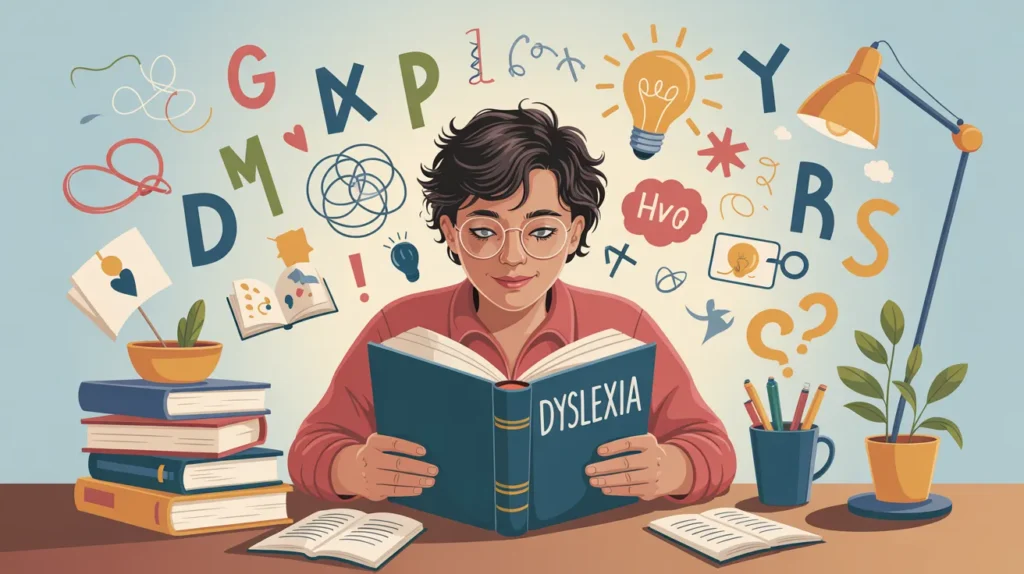
In Personal Life
Dyslexia may look like:
- Avoiding reading menus or instructions
- Mixing up dates, times, or sequences
- Preferring voice notes over text
On Social Media
People often describe dyslexia as:
- “My brain runs on pictures, not paragraphs.”
- “Autocorrect is my best friend.”
- “Dyslexic but thriving.”
Social platforms have helped normalize dyslexia through humor and shared experiences.
In Relationships
Partners may notice:
- Difficulty with written communication
- Strong emotional intelligence
- Creative problem-solving
Clear communication and patience make a major difference.
In Professional Settings
At work, dyslexia may appear as:
- Slow email writing but excellent verbal explanations
- Difficulty with paperwork, not strategy
- Strength in leadership, design, or innovation
Modern workplaces increasingly recognize dyslexia as a diversity asset.
Hidden, Sensitive, or Misunderstood Meanings
Common myths people get wrong:
- ❌ “Dyslexia means seeing letters backward”
- ❌ “It goes away with age”
- ❌ “Only children have it”
- ❌ “Smart people can’t be dyslexic”
Subtle realities:
- Dyslexia often hides behind coping strategies
- Many adults are undiagnosed
- Struggles increase under stress or fatigue
The meaning of dyslexia changes depending on environment, support, and awareness.
Comparison Section
| Concept | Dyslexia | ADHD | Dysgraphia | Low Literacy |
|---|---|---|---|---|
| Brain-based | Yes | Yes | Yes | No |
| Affects intelligence | No | No | No | Sometimes |
| Primary challenge | Reading & language | Attention | Writing | Skill exposure |
| Lifelong | Yes | Yes | Yes | No |
| Needs accommodation | Yes | Yes | Yes | Training |
Key Insight: Dyslexia is not a skill deficit—it’s a neurological difference that requires understanding, not correction.
Popular Types & Variations of Dyslexia
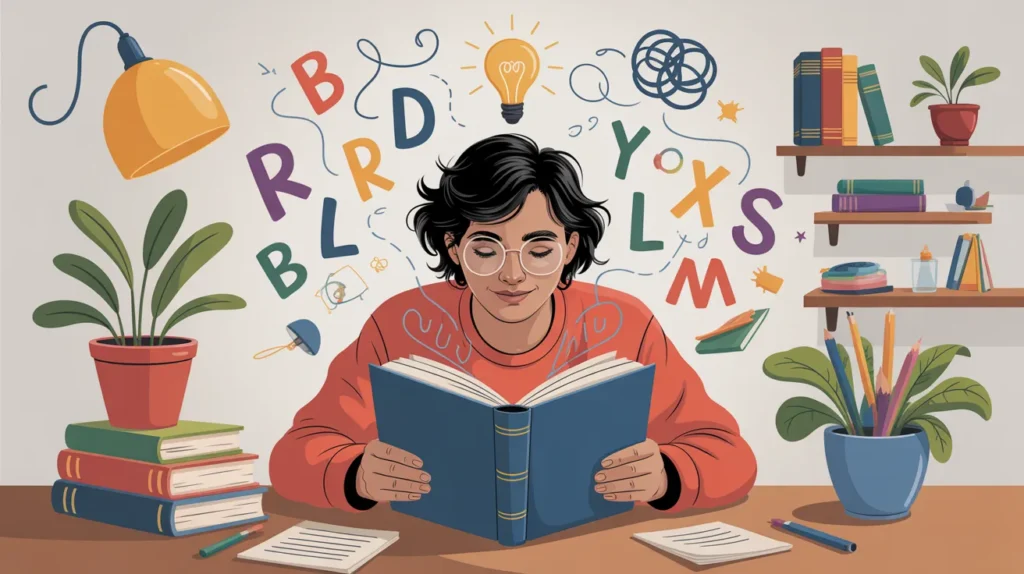
- Phonological Dyslexia
Difficulty connecting letters to sounds. - Surface Dyslexia
Trouble recognizing whole words automatically. - Rapid Naming Dyslexia
Slow retrieval of familiar words or symbols. - Visual Dyslexia
Challenges with letter order and spacing. - Auditory Dyslexia
Difficulty processing spoken language sounds. - Double Deficit Dyslexia
Combination of phonological and naming challenges. - Developmental Dyslexia
Present from childhood. - Acquired Dyslexia
Develops after brain injury or trauma. - Mild Dyslexia
Subtle, often masked by intelligence. - Severe Dyslexia
Requires structured support and accommodations.
Each type looks different depending on the person.
How to Respond When Someone Asks About Dyslexia
Casual responses
- “It’s how my brain processes language differently.”
- “Reading takes more effort for me.”
Meaningful responses
- “Dyslexia affects reading speed, not understanding.”
- “It’s a neurological difference, not a weakness.”
Fun responses
- “My brain is in creative mode, not spelling mode.”
- “Autocorrect and I are in a serious relationship.”
Private responses
- “It’s personal, but I manage it in my own way.”
- “I’m happy to explain when I feel comfortable.”
Regional & Cultural Differences
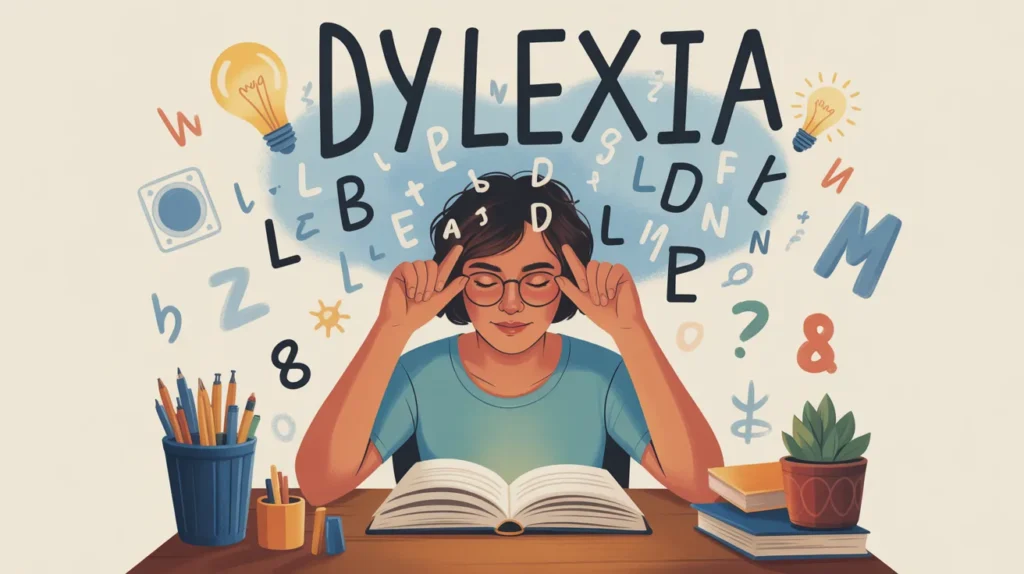
Western Countries
- Strong legal protections
- Educational accommodations
- Growing workplace inclusion
Asian Regions
- High academic pressure
- Lower diagnosis rates
- Rising awareness in urban areas
Middle Eastern Contexts
- Dyslexia often misunderstood
- Family support varies
- Increasing recognition in private education
African & Latin Cultures
- Limited screening access
- Strong oral learning traditions
- Community-based support common
Cultural context strongly shapes how dyslexia is experienced and discussed.
FAQs
What does dyslexia look like in adults?
Slow reading, spelling difficulty, strong verbal skills, and creative problem-solving.
Can dyslexia be cured?
No. Dyslexia is lifelong, but strategies and support make it manageable.
Is dyslexia a disability?
Legally, yes. Functionally, it’s a learning difference.
Do all dyslexic people struggle with reading?
Most do, but the severity varies widely.
Can dyslexia affect speech?
Sometimes, especially word retrieval and sequencing.
Is dyslexia genetic?
Often, yes. It commonly runs in families.
Does dyslexia affect math?
It can affect word problems and sequencing, but not logical reasoning.
Conclusion
So, what does dyslexia look like?
It looks like effort others don’t see.
It looks like creativity shaped by challenge.
It looks different in every person who has it.
Dyslexia is not a flaw—it’s a different way of processing language in a world built around text. When understood properly, it becomes less about limitation and more about adaptation, empathy, and strength.
Understanding dyslexia changes how we teach, work, and connect with one another.
See also: What Does ADHD Look Like in Adults