A TENS unit is one of those tools people hear about in pain relief conversations but don’t fully understand. Doctors mention it, athletes use it, and people with chronic pain swear by it. Still, many search online asking the same question: what does a TENS unit do?
The interest comes from a simple need—pain relief without pills or surgery. This guide explains exactly what a TENS unit does, how it works, when it’s useful, and when it’s misunderstood. You’ll also see real-life examples, modern slang references, and cultural perspectives to give you the full picture.
Definition & Core Meaning
TENS stands for Transcutaneous Electrical Nerve Stimulation.
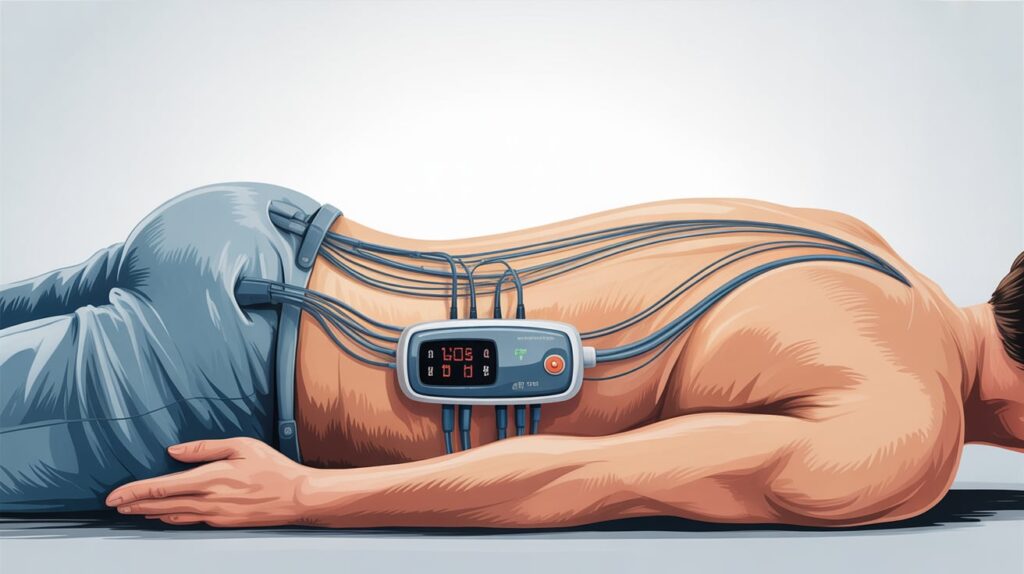
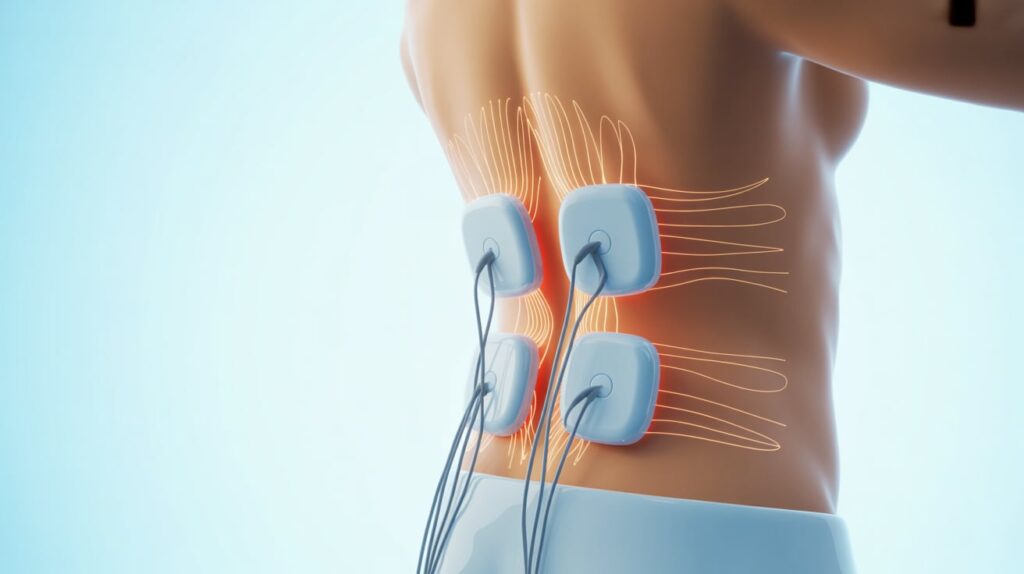
A TENS unit is a small, battery-powered medical device that sends low-voltage electrical pulses through the skin to stimulate nerves.
Core meanings explained simply:
- Pain signal interruption
The electrical pulses reduce pain signals traveling to the brain. - Natural painkiller activation
It encourages the body to release endorphins, your natural pain-relief chemicals. - Non-invasive pain management
No needles, no medication, no surgery.
Simple examples:
- “I use a TENS unit on my lower back after long workdays.”
- “The physical therapist applied a TENS unit to reduce knee pain.”
- “It feels like a gentle buzzing or tapping on the skin.”
Historical & Cultural Background

Medical Origins
Electrical stimulation for healing dates back to ancient Greece, where physicians used electric fish to numb pain. By the 1960s and 1970s, modern TENS technology was developed through neurological research on pain pathways.
Western Medicine Perspective
In Western healthcare systems, TENS units are commonly used in:
- Physical therapy
- Sports rehabilitation
- Post-surgical recovery
- Chronic pain management
They are considered supportive tools, not miracle cures.
Asian & Traditional Practices
Asian healing systems, especially acupuncture-based traditions, value nerve stimulation. TENS units are often seen as a modern, scientific cousin of acupuncture, stimulating energy pathways without needles.
Indigenous & Holistic Views
Some Indigenous and holistic cultures interpret electrical stimulation as restoring balance to disrupted energy flows in the body, aligning pain relief with mind-body harmony.
Emotional & Psychological Meaning
Pain affects more than the body—it impacts mood, identity, and confidence. A TENS unit often represents:
- Control over pain instead of helplessness
- Independence from medication
- Empowerment in healing
For many users, it becomes a symbol of self-care. The ability to manage pain at home reduces anxiety, frustration, and fear of movement.
Psychologically, the rhythmic pulses can also feel grounding, helping users reconnect with their bodies rather than viewing pain as an enemy.
Different Contexts & Use Cases
Personal Life
People use TENS units for:
- Lower back pain
- Neck stiffness
- Sciatica
- Arthritis
- Menstrual cramps
It’s common to hear:
“My TENS unit gets me through long workdays.”
Fitness & Sports
Athletes use TENS units for recovery, muscle relaxation, and soreness relief after intense training sessions.
Social Media & Online Communities
On forums and short videos, users often say:
- “This little shock box saved my back.”
- “My secret weapon for leg day recovery.”
Professional & Clinical Use
In physical therapy clinics, TENS units are part of structured treatment plans, combined with exercise, stretching, and manual therapy.
See also: What Is EMS Therapy and How Is It Different?
Hidden, Sensitive, or Misunderstood Meanings
Common Misunderstandings
- “It cures pain permanently” – False
TENS manages symptoms, not root causes. - “Stronger settings work better” – Not true
Comfort and consistency matter more than intensity. - “It rebuilds muscle” – Incorrect
That’s EMS, not TENS.
Sensitive Situations
TENS units are generally safe, but caution is needed:
- During pregnancy (without medical advice)
- With pacemakers
- On broken skin or near the heart
Meaning Shifts in Context
In medical settings, a TENS unit is a therapeutic tool. In casual conversation, it may be referred to humorously as a “shock box” or “electric patch.”
Comparison Section
| Device / Concept | Purpose | Sensation | Best For |
|---|---|---|---|
| TENS Unit | Pain relief | Tingling | Chronic & acute pain |
| EMS Unit | Muscle stimulation | Muscle contraction | Strength & rehab |
| Acupuncture | Energy balance | Needle pressure | Holistic pain relief |
| Pain Medication | Chemical relief | None | Severe pain |
| Heating Pad | Muscle relaxation | Warmth | Stiffness |
Key Insight:
A TENS unit stands out because it targets pain signals directly without chemicals or physical intrusion.
Popular Types / Variations of TENS Units
- Basic Home TENS Unit
Simple controls, ideal for beginners. - Dual-Channel TENS Unit
Treats two areas at once. - Wireless TENS Unit
No wires, discreet, app-controlled. - Rechargeable TENS Unit
Eco-friendly and cost-effective. - Clinical-Grade TENS Unit
Used by professionals with advanced settings. - Wearable Patch TENS
Ultra-portable and clothing-friendly. - Combination TENS/EMS Device
Offers both pain relief and muscle stimulation. - Menstrual Pain TENS Unit
Designed specifically for cramps. - Sports Recovery TENS Unit
Tuned for post-workout soreness.
Slang & Informal Usage Explained
While “TENS unit” is medical, slang has emerged online:
- “Shock therapy” – Casual term, not clinical
- “Buzz box” – Refers to the sensation
- “Electric massage” – Misleading but common
- “Pain zapper” – Playful, informal
Example:
“I slapped on my pain zapper before bed.”
These terms reflect user experience, not medical definitions.
How to Respond When Someone Asks About It
Casual Responses
- “It’s a device that helps block pain signals.”
- “It sends gentle pulses to reduce pain.”
Meaningful Responses
- “It helps me manage pain without medication.”
- “It gives me control over chronic discomfort.”
Fun Responses
- “It’s like a tiny DJ remixing my nerves.”
- “A legal shock that actually helps.”
Private or Medical Responses
- “It’s part of my pain management plan.”
- “My therapist recommended it for nerve pain.”
Regional & Cultural Differences
Western Countries
Viewed as a clinical, evidence-based pain tool.
Asian Regions
Often connected to acupuncture principles and energy flow.
Middle Eastern Contexts
Seen as modern technology blended with holistic care.
African & Latin Perspectives
Gaining popularity through sports medicine and community healthcare programs.
Cultural acceptance grows when pain relief is framed as empowerment rather than weakness.
FAQs
What does a TENS unit actually do to nerves?
It interferes with pain signals and stimulates endorphin release.
Is a TENS unit safe for daily use?
Yes, when used as directed.
Can a TENS unit heal injuries?
No, it manages pain but doesn’t repair tissue.
Does a TENS unit hurt?
It should feel comfortable, not painful.
How long does pain relief last?
Relief can last minutes to hours, depending on the condition.
Is a TENS unit the same as EMS?
No, EMS stimulates muscles; TENS targets nerves.
Conclusion
So, what does a TENS unit do? At its core, it helps the body quiet pain signals and activate natural relief—safely, gently, and without medication. It’s not a cure, but it’s a powerful companion for people navigating daily discomfort.
Beyond technology, a TENS unit represents choice, control, and confidence in pain management. When used correctly, it becomes more than a device—it becomes part of a healthier relationship with your body.