Back pain has a way of stopping life in its tracks, and one of the most searched causes behind it is a slipped disc. People often look this up after feeling sudden pain, numbness, or strange sensations that don’t seem normal. The phrase itself sounds alarming, which adds to the confusion and anxiety.
Understanding what a slipped disc feels like helps people recognize symptoms early, communicate better with doctors, and avoid unnecessary panic. The sensations can vary widely—from a mild ache to sharp, radiating pain—depending on the location and severity.
This guide breaks down the physical experience, emotional impact, common misconceptions, and even how the term is used casually in modern language, all in clear, everyday English.
Definition & Core Meaning
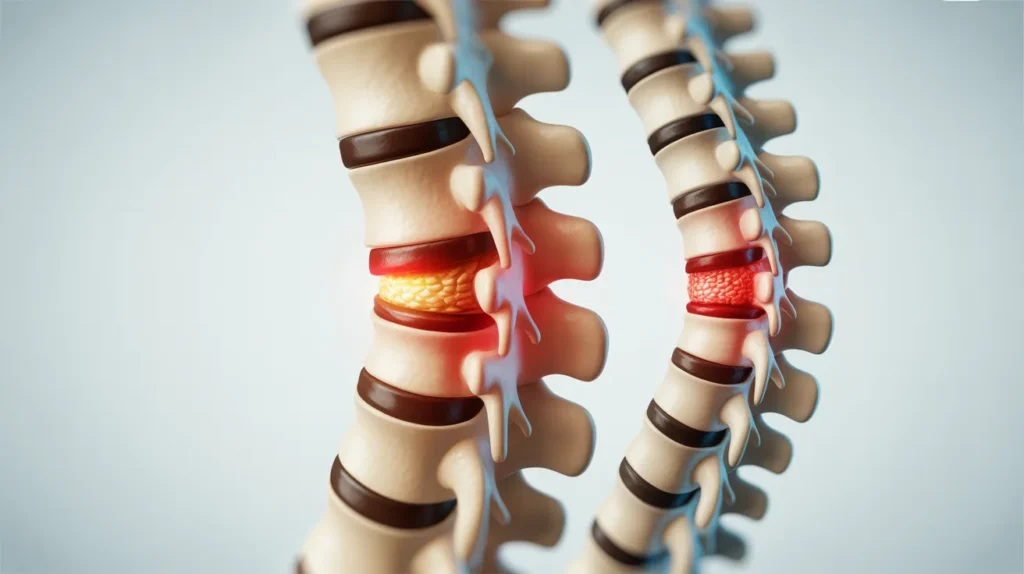
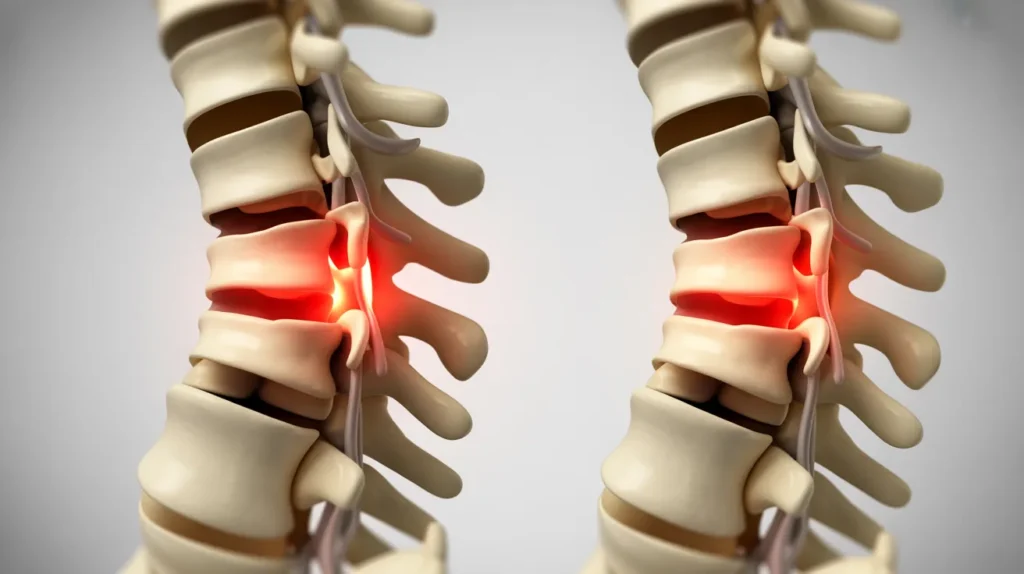
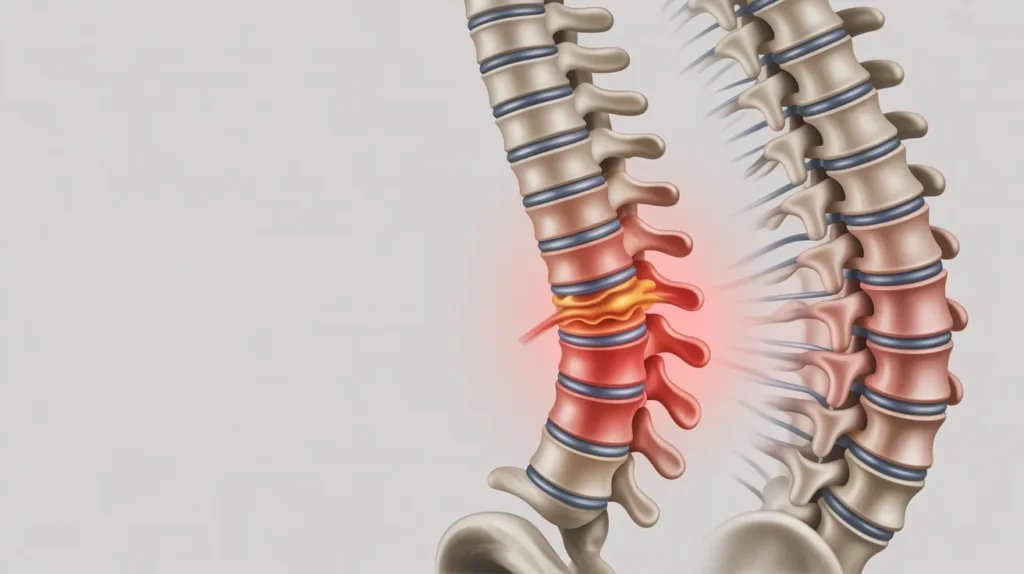
A slipped disc—also known as a herniated disc or bulging disc—refers to a spinal condition where one of the cushioning discs between the vertebrae moves out of place or ruptures, pressing on nearby nerves.
What a Slipped Disc Feels Like (Core Sensations)
- Localized pain in the neck, lower back, or mid-back
- Sharp or burning pain that travels down the arm or leg
- Tingling or pins-and-needles sensation
- Numbness or weakness in muscles
- Pain that worsens with movement, coughing, or sitting
Simple Examples
- “It feels like an electric shock shooting down my leg.”
- “There’s a deep ache in my lower back that won’t ease.”
- “My arm goes numb when I turn my neck.”
The pain is often nerve-related, which makes it feel intense, sudden, and hard to ignore.
Historical & Cultural Background
Spinal disc problems are not modern conditions, even though they’re more common today due to sedentary lifestyles.
Ancient Understanding
- Ancient Egyptian texts described spinal injuries causing paralysis or nerve pain.
- Greek physicians, including Hippocrates, wrote about back pain caused by displaced spinal structures.
- Traditional Chinese Medicine associated back pain with blocked energy (Qi) and kidney imbalance.
Cultural Interpretations
- Western medicine focuses on anatomy, imaging, and nerve compression.
- Asian traditions often view spinal pain as a flow or balance issue.
- Indigenous healing systems sometimes interpret chronic back pain as a mind-body imbalance or stored emotional stress.
These perspectives add depth to how people experience and explain the pain, even today.
Emotional & Psychological Meaning
A slipped disc doesn’t just affect the body—it can deeply impact emotional well-being.
Common Emotional Responses
- Fear and anxiety about long-term damage
- Frustration due to limited mobility
- Loss of independence in daily activities
- Mood changes or low confidence
Chronic pain often forces people to slow down, reevaluate routines, and become more aware of their physical limits. For many, it becomes a wake-up call to prioritize posture, movement, and self-care.
In some cases, recovery builds resilience, patience, and a stronger connection between body awareness and mental health.
Different Contexts & Use Cases
Personal Life
- Difficulty bending, lifting, or sleeping comfortably
- Pain flares during simple tasks like tying shoes
Social Media & Online Forums
- People describe symptoms using vivid language: “knife-like pain,” “burning nerve fire”
- Shared recovery stories and coping tips
Relationships
- Partners may notice mood changes or reduced physical intimacy
- Increased reliance on support from loved ones
Professional or Modern Usage
- Doctors use clinical terms like lumbar disc herniation
- Fitness professionals discuss it in injury prevention contexts
See also: What Does Sciatic Pain Feel Like?
Hidden, Sensitive, or Misunderstood Meanings
Common Misconceptions
- The disc doesn’t actually “slip” out completely
- Not all slipped discs cause pain
- Surgery is not always required
What People Often Get Wrong
- Assuming severe pain means permanent damage
- Confusing muscle strain with disc injury
- Ignoring mild symptoms until they worsen
Pain perception varies greatly, which is why two people with similar scans may feel completely different levels of discomfort.
Comparison Section
| Condition | How It Feels | Key Difference |
|---|---|---|
| Slipped Disc | Sharp, radiating nerve pain | Involves nerve compression |
| Muscle Strain | Dull, sore, tight muscles | No nerve symptoms |
| Sciatica | Shooting pain down leg | Often caused by disc issue |
| Arthritis | Stiff, aching joints | Degenerative, slower onset |
| Spinal Stenosis | Pressure and weakness | Narrowed spinal canal |
Key Insight: A slipped disc stands out because of its nerve-related symptoms, not just back pain.
Popular Types / Variations
- Lumbar Slipped Disc – Pain in lower back, hips, legs
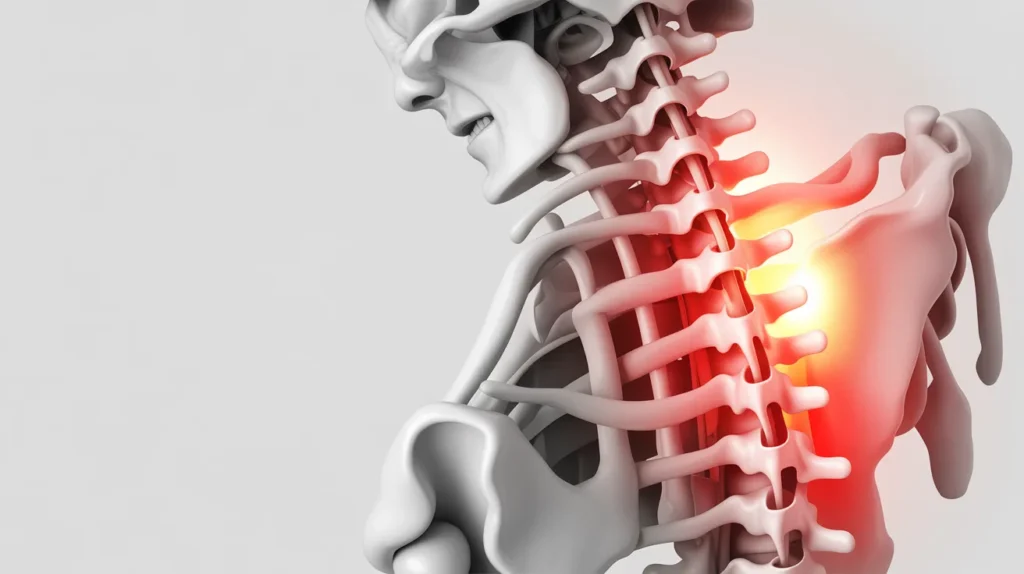
- Cervical Slipped Disc – Neck pain, arm numbness
- Thoracic Slipped Disc – Rare, mid-back discomfort
- Bulging Disc – Mild pressure without rupture
- Herniated Disc – Inner disc material leaks out
- Ruptured Disc – Severe tear causing intense pain
- Degenerative Disc Issue – Age-related disc weakening
- Acute Disc Injury – Sudden onset after lifting
- Chronic Disc Pain – Long-term, recurring symptoms
Each type creates a slightly different pain pattern depending on nerve involvement.
How to Respond When Someone Asks About It
Casual Responses
- “It’s like a sharp pain that shoots down your leg.”
- “It feels deeper than regular back pain.”
Meaningful Responses
- “It’s nerve pain that affects movement and daily life.”
- “It can be physically and emotionally exhausting.”
Fun Responses
- “Imagine your back throwing a tantrum.”
- “My spine decided to protest.”
Private Responses
- “It’s uncomfortable and limiting, but manageable with care.”
Regional & Cultural Differences
Western Perspective
- Medical imaging and physical therapy focused
- Pain described in clinical terms
Asian Perspective
- Emphasis on balance, posture, and energy flow
- Use of acupuncture and herbal support
Middle Eastern Perspective
- Combination of modern medicine and traditional remedies
- Strong family support during recovery
African / Latin Cultures
- Community-based care
- Pain often described metaphorically or emotionally
Cultural context shapes how pain is expressed, treated, and understood.
FAQs
What does a slipped disc feel like in the lower back?
It often feels like sharp pain that spreads to the hips or legs, sometimes with numbness or tingling.
Can a slipped disc feel like muscle pain?
Yes, especially early on, but nerve symptoms usually develop later.
Does a slipped disc hurt all the time?
Pain may come and go, depending on movement and position.
Can you have a slipped disc without pain?
Yes, some people have disc issues without noticeable symptoms.
How long does slipped disc pain last?
It varies from weeks to months, depending on severity and care.
Is leg pain always a slipped disc?
No, but radiating leg pain is a common sign.
Conclusion
So, what does a slipped disc feel like? For most people, it’s more than just back pain—it’s a nerve-driven sensation that can affect movement, mood, and daily life. The experience ranges from mild discomfort to sharp, radiating pain that demands attention.
Understanding these sensations helps reduce fear and encourages early care. With the right approach, many people recover well and regain confidence in their bodies. Listening to pain, respecting limits, and staying informed can make all the difference.