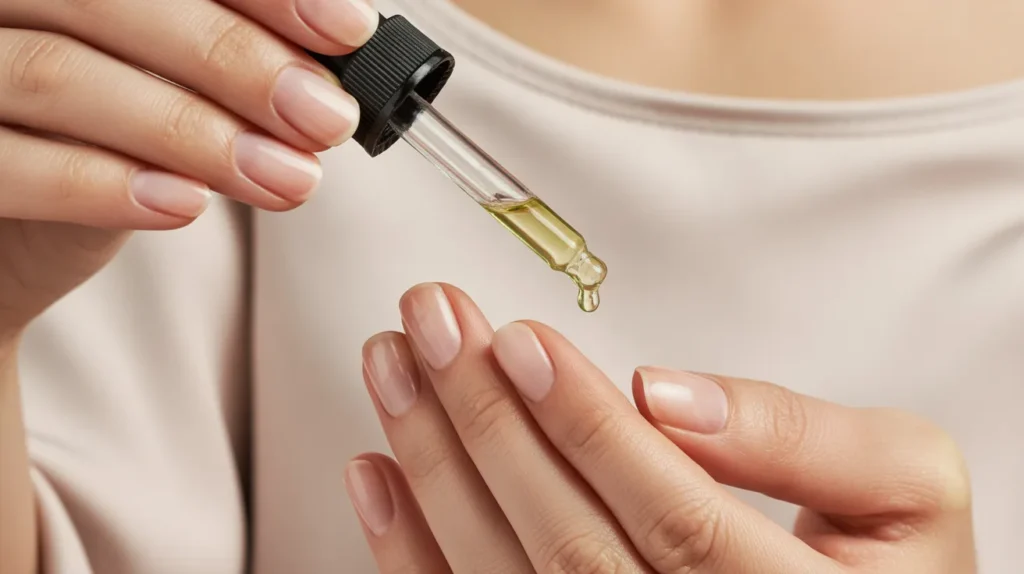
Healthy nails say a lot about personal care, confidence, and hygiene. That’s why so many people search for what does cuticle oil do—especially as nail care becomes part of everyday self-care, not just salon visits.
Cuticle oil is often overlooked, misunderstood, or treated as optional, yet it plays a critical role in nail health. From preventing hangnails to improving nail strength and appearance, its benefits go far beyond shine.
This guide explains what cuticle oil does, how to use it correctly, common myths, cultural differences, and real-life examples—so you can use it with confidence and purpose.
Definition & Core Meaning
Cuticle oil is a nourishing blend of oils designed to moisturize, protect, and repair the cuticles and surrounding skin at the base of the nail.
Core meanings of what cuticle oil does:
- Hydrates dry cuticles
- Strengthens nails from the root
- Prevents cracking, peeling, and hangnails
- Improves nail growth and flexibility
Simple examples:
- “Using cuticle oil daily stopped my nails from peeling.”
- “My manicure lasts longer when I apply cuticle oil.”
At its core, cuticle oil supports the foundation of nail health.
Historical & Cultural Background
Ancient Origins
Natural oils have been used for nail and skin care for thousands of years. Ancient Egyptians applied almond and olive oil to nails as part of grooming rituals linked to social status and cleanliness.
Western Beauty Culture
In modern Western beauty routines, cuticle oil gained popularity through professional nail salons. It became associated with polished appearance, hygiene, and maintenance rather than luxury alone.
Asian Nail Care Traditions
In East Asian cultures, nail health is connected to balance and wellness. Oils infused with herbs, camellia, or rice bran were traditionally used to protect nails from dryness caused by frequent hand washing.
Indigenous & Herbal Practices
Many Indigenous and traditional cultures used plant-based oils—like jojoba, coconut, or argan—not only for beauty, but also for healing cracked skin and protecting against harsh climates.
This long-standing global use adds credibility and trust to cuticle oil as a functional care product, not a trend.
Emotional & Psychological Meaning
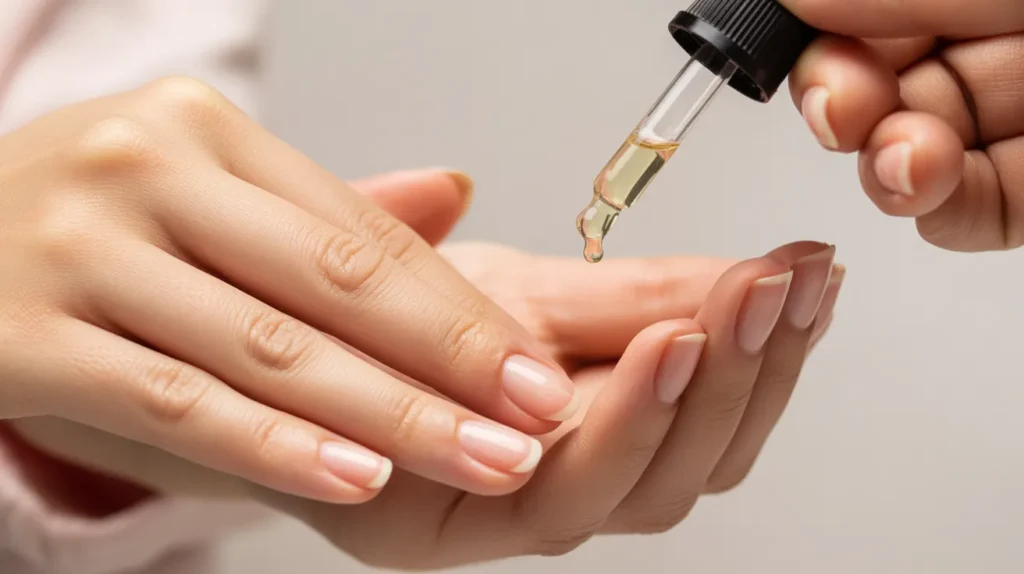
Self-care rituals often carry emotional weight. Applying cuticle oil can be:
- A sign of self-respect and routine
- A moment of mindfulness and calm
- A way to restore control during stress
For people who bite their nails or struggle with damaged cuticles, using oil regularly often marks a shift toward healing and healthier habits.
Healthy nails can subtly boost confidence, professionalism, and self-image.
Different Contexts & Use Cases
Personal Life
- Daily nail hydration
- Recovery from nail biting
- Winter dryness repair
Social Media
Cuticle oil is often featured in nail transformation videos, ASMR routines, and “clean girl” aesthetics, symbolizing attention to detail and self-discipline.
Relationships
Well-groomed hands can communicate care and effort, especially in close personal interactions.
Professional & Modern Usage
In service, healthcare, and corporate settings, clean and healthy nails reflect hygiene and professionalism without being flashy.
See also: What Does Nail Strengthener Do?
Hidden, Sensitive, or Misunderstood Meanings
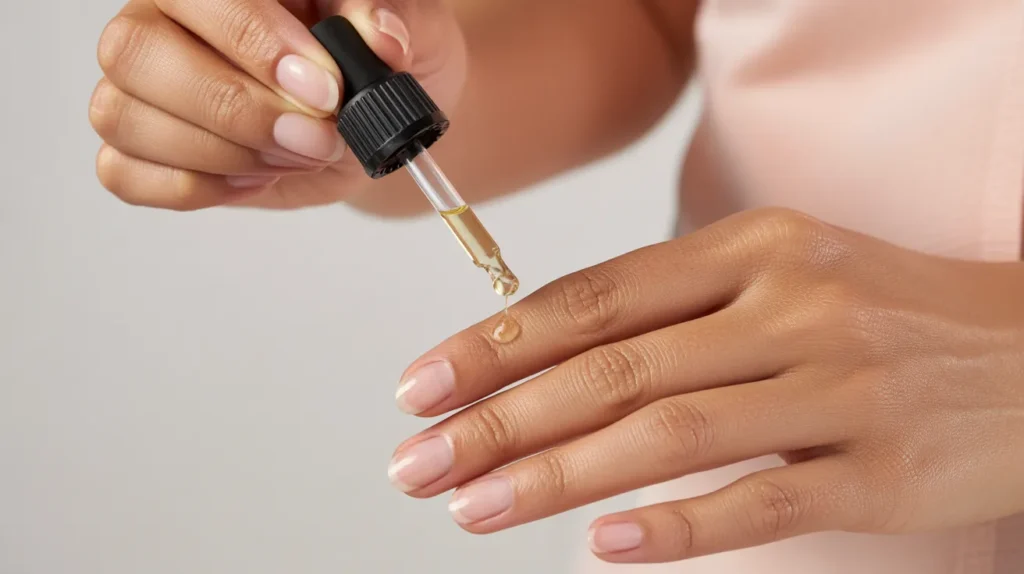
Common Misconceptions:
- “Cuticle oil is only for manicures” – False. It’s for everyday nail health.
- “It makes nails greasy” – Incorrect when applied properly.
- “You only need it if your cuticles are damaged” – Prevention is more effective than repair.
When Meaning Changes:
Using cuticle oil excessively or incorrectly can clog skin if not absorbed, but this is rare and avoidable.
The real value lies in consistency, not quantity.
Comparison Section
| Product | Primary Purpose | Best For | Key Difference |
|---|---|---|---|
| Cuticle Oil | Hydration & repair | Daily nail health | Penetrates deeply |
| Hand Cream | Surface moisture | Dry hands | Thicker, less targeted |
| Nail Strengthener | Hardening nails | Weak nails | Often chemical-based |
| Cuticle Remover | Removes excess skin | Manicures | Can dry skin |
Key Insight:
Cuticle oil is the only option designed specifically to nourish both the nail matrix and surrounding skin without stripping natural oils.
Popular Types / Variations of Cuticle Oil
- Jojoba Oil-Based – Closest to natural skin oil, fast-absorbing
- Almond Oil – Rich in vitamins, softens rough cuticles
- Argan Oil – Repairs damage and adds shine
- Vitamin E Oil – Healing and antioxidant-rich
- Coconut Oil – Protective and antimicrobial
- Lavender-Infused Oil – Calming and soothing
- Rosehip Oil – Anti-aging benefits for skin around nails
- Pen-Style Cuticle Oils – Portable and mess-free
- Organic Blends – Minimal additives, sensitive-skin friendly
Each variation serves the same purpose with slightly different benefits.
How to Respond When Someone Asks About It
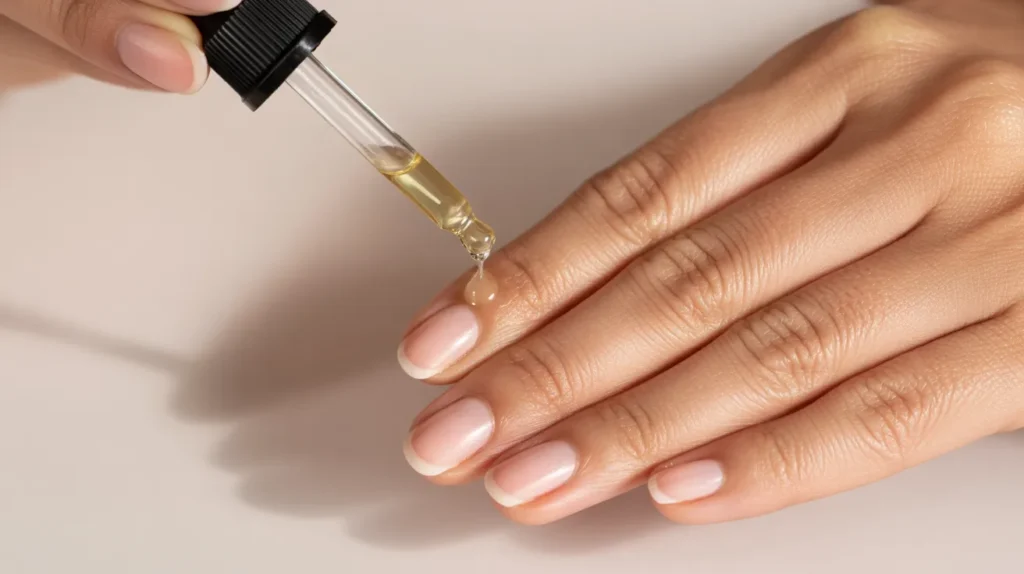
Casual Responses
- “It keeps my cuticles from drying out.”
- “It helps my nails grow healthier.”
Meaningful Responses
- “Cuticle oil protects the nail from damage at the root.”
- “It’s part of my self-care routine.”
Fun Responses
- “It’s lip balm for your nails.”
- “Tiny oil, big glow-up.”
Private Responses
- “It helps me stop picking at my cuticles.”
- “It’s something I do to feel put together.”
Regional & Cultural Differences
Western Regions
Viewed as a beauty and grooming essential, often tied to manicures.
Asian Regions
Seen as preventive care and wellness maintenance.
Middle Eastern Regions
Often combined with natural oils like olive or black seed oil, reflecting holistic care traditions.
African & Latin Cultures
Natural butters and oils are commonly used, emphasizing nourishment over cosmetic trends.
Despite differences, the purpose remains the same: protection and health.
FAQs
1. What does cuticle oil do for nails?
It moisturizes the cuticles, strengthens the nail base, and prevents damage.
2. How often should cuticle oil be used?
Once or twice daily for best results.
3. Can cuticle oil help nail growth?
Yes, healthy cuticles support stronger, faster-growing nails.
4. Is cuticle oil necessary if I use hand cream?
Yes. Hand cream doesn’t penetrate the nail area as effectively.
5. Can men use cuticle oil?
Absolutely. Nail health is not gender-specific.
6. Does cuticle oil expire?
Most last 12–24 months if stored properly.
7. Can cuticle oil repair damaged nails?
It supports healing but works best as a preventive tool.
Conclusion
So, what does cuticle oil do? It protects, nourishes, strengthens, and restores the most vulnerable part of your nails. More than a beauty product, it’s a small habit with long-term benefits—healthier nails, fewer breakages, and a more polished appearance.
When used consistently, cuticle oil becomes a quiet act of self-care that shows in every handshake, gesture, and detail.
Healthy nails start at the cuticle—and that’s where cuticle oil makes all the difference.