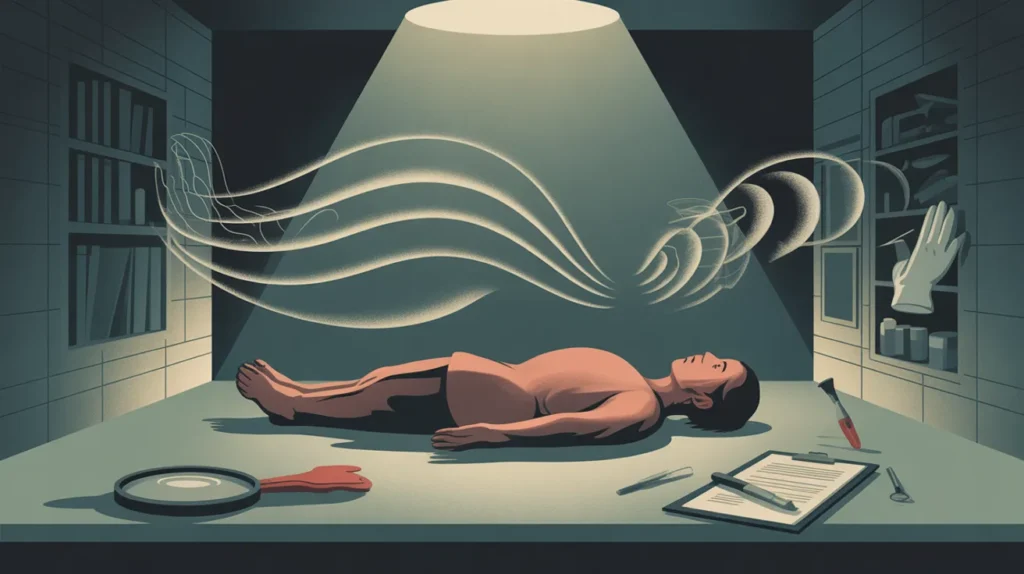
The question “what does a dead body smell like?” is searched for many reasons—curiosity, professional learning, storytelling, or trying to understand a real-life experience that was confusing or unsettling. Smell is deeply tied to memory and emotion, and few odors raise as many questions as this one.
People want clear, honest answers without exaggeration or fear-mongering. They also want to know how the term is used casually, metaphorically, or even as slang in modern language.
This guide explains the meaning in a factual, respectful way while also exploring cultural references, emotional responses, and everyday usage—without graphic detail.
Definition & Core Meaning
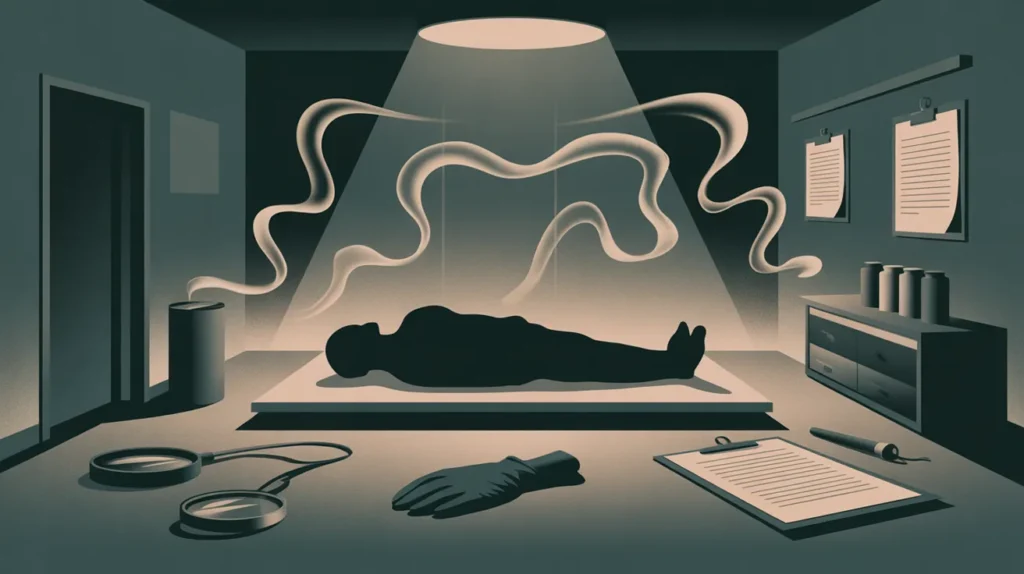
What does a dead body smell like?
At its core, the phrase refers to the distinct odor produced during human decomposition after death. This smell develops as the body’s natural processes stop and bacteria begin breaking down tissues.
Core characteristics (described safely and non-graphically):
- A strong, unpleasant odor
- Often compared to rotting food, sulfur, or spoiled meat
- Intensifies over time depending on conditions
Simple explanations people use:
- “It smells sweet but wrong.”
- “It’s like something spoiled mixed with chemicals.”
- “Once you know it, you don’t forget it.”
These descriptions vary because no two environments—or bodies—are exactly the same.
Historical & Cultural Background
Throughout history, humans have recognized death by smell long before science explained why.
Ancient civilizations
- Ancient Egypt: Embalming practices were partly developed to control odor and preserve dignity.
- Ancient Greece & Rome: Death was associated with “corruption of air,” influencing burial practices outside cities.
Cultural interpretations
- Western cultures: The smell of death is often linked to fear, emergency, or finality.
- Asian traditions: Emphasis is placed on purification rituals to separate the living from decay.
- Indigenous beliefs: Odor is sometimes viewed as a transition marker, signaling the soul’s departure rather than something shameful.
Across cultures, the smell of death has always symbolized change, impermanence, and respect for life.
Emotional & Psychological Meaning
Smell bypasses logic and goes straight to emotion. That’s why this topic feels intense even when discussed calmly.
Common emotional reactions
- Shock or discomfort
- Sadness or grief
- Curiosity mixed with fear
- Long-lasting memory recall
Psychological impact
- People who encounter the smell unexpectedly often remember it for life.
- It can trigger emotional responses tied to loss, mortality, or vulnerability.
- For professionals (medical staff, first responders), emotional detachment develops over time as a coping mechanism.
In a symbolic sense, the smell represents the boundary between life and death, which explains why people search for meaning beyond the physical explanation.
Different Contexts & Use Cases
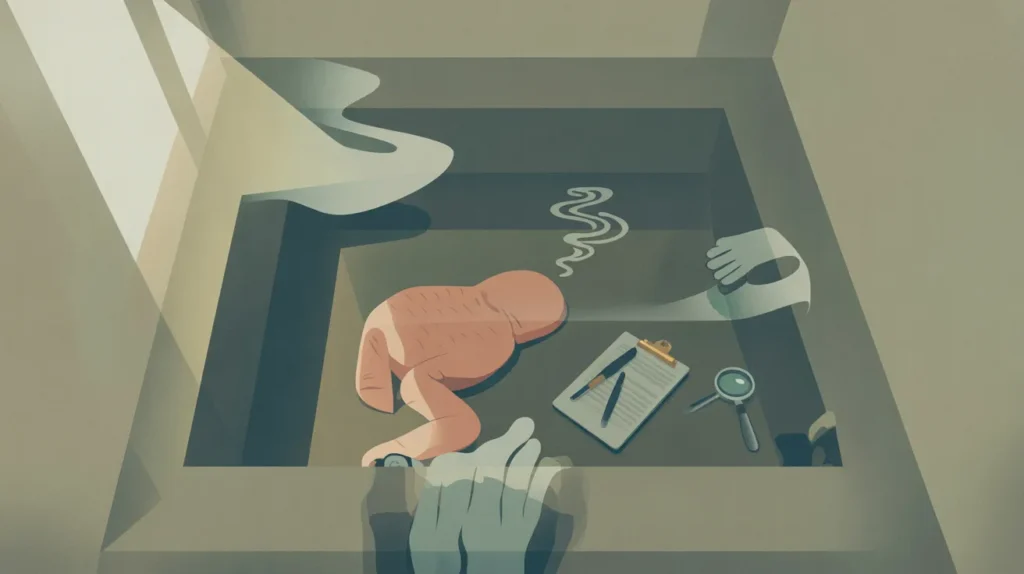
1. Real-life encounters
- Medical professionals
- First responders
- Funeral workers
- Individuals discovering unattended deaths
2. Education & learning
- Forensic science
- Medical studies
- Crime investigation training
3. Storytelling & media
- Crime novels
- TV dramas
- Documentaries
4. Modern slang & exaggeration
- “This fridge smells like a dead body” (hyperbole)
- Used to describe extreme foul odors, not literal death
See also: What Does Formaldehyde Smell Like?
Hidden, Sensitive, or Misunderstood Meanings
Common misunderstandings
- ❌ It smells the same every time
✔ Odor varies by environment, time, and conditions - ❌ Only happens after many days
✔ Changes can begin within hours - ❌ It’s always overpowering
✔ Strength varies significantly
Why people misinterpret it
- Media exaggeration
- Lack of real-world exposure
- Emotional shock altering perception
Understanding these nuances helps separate fact from fiction.
Comparison Section
| Term / Smell | Similarity | Key Difference |
|---|---|---|
| Rotting food | High | Less complex |
| Garbage | Moderate | Missing biological notes |
| Sulfur | Partial | One chemical aspect only |
| Mold | Low | Earthy, not biological |
| Chemical waste | Moderate | Lacks organic origin |
Key Insight:
The smell of a dead body is not one single odor but a complex combination, which is why people struggle to describe it accurately.
Popular Types / Variations (8–10)
- Early-stage odor – Mild, slightly sweet, often unnoticed
- Confined-space odor – Stronger due to lack of ventilation
- Outdoor exposure smell – Disperses faster, less concentrated
- Heat-accelerated odor – Intensifies rapidly in warm climates
- Water-related odor – Muted but persistent
- Animal decomposition smell – Similar but less complex
- Urban environment odor – Mixed with pollution or waste
- Medical facility odor – Often masked by disinfectants
- Abandoned-space odor – Combined with mold and decay
Each variation explains why descriptions differ widely.
How to Respond When Someone Asks About It
Casual response
- “It’s a very strong, unpleasant smell people usually don’t forget.”
Meaningful response
- “It’s the result of natural processes after death and varies a lot.”
Fun or light response
- “Bad enough that once you know, you really know.”
Private or sensitive response
- “It’s something I’d rather not describe in detail—it can be upsetting.”
Choosing the right tone matters, especially in emotional settings.
Regional & Cultural Differences
Western perspectives
- Often discussed clinically or dramatically
- Strong presence in crime media
Asian perspectives
- Focus on ritual cleansing and respect
- Less direct verbal description
Middle Eastern views
- Strong emphasis on dignity and swift burial
- Discussion often avoided publicly
African & Latin cultures
- Community-based rituals
- Odor seen as part of the natural cycle, not a taboo topic
Cultural context shapes how openly the topic is discussed.
FAQs
1. Does every dead body smell the same?
No. Environment, time, and conditions all affect the odor.
2. How quickly does the smell start?
Changes can begin within hours after death.
3. Is the smell dangerous?
The smell itself isn’t harmful, but it can indicate health risks nearby.
4. Why do people describe it as “sweet”?
Certain gases produced can create a misleading sweet note.
5. Can the smell linger?
Yes, especially in enclosed spaces without ventilation.
6. Is it the same as animal decomposition?
Similar, but human decomposition has a more complex odor profile.
Conclusion
So, what does a dead body smell like?
It’s not a single scent but a layered, unmistakable odor created by natural biological processes after death. The experience is deeply personal, shaped by environment, culture, and emotional context.
Understanding it helps remove fear, reduce misinformation, and encourage respectful conversations about a topic people are often afraid to ask about. Knowledge brings clarity—and clarity brings calm.